

Articles
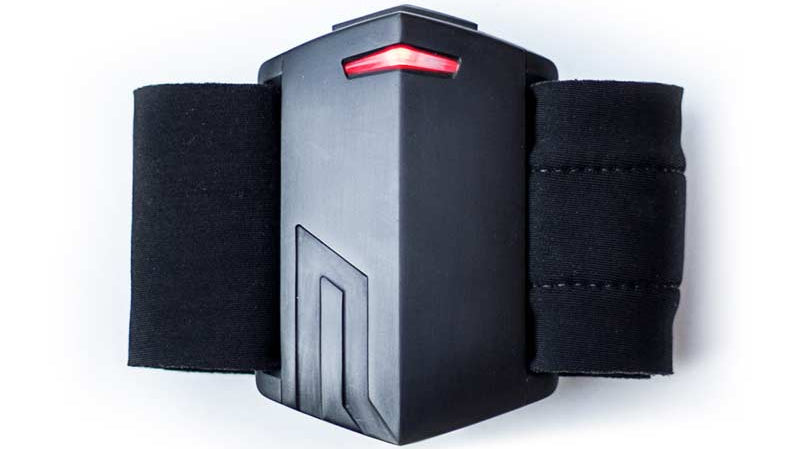
Velocity-Based Training in the Weight Room: Why I PUSH
The exponential rate of technological advancement has created new solutions to many everyday problems. Exercise professionals and strength coaches have benefited from this, with novel tools constantly hitting the market aimed at enhancing service delivery. A new wearable technology from PUSH consists of an accelerometer and gyroscope packed into a small armband and is used for velocity-based training in the weight room.

3 Reasons Why Activation is a Game-Changer
In ancient Greece, Spartan boys were forced to endure beatings to make them strong warriors. Some football coaches continue this archaic practice. Too many programs produce misery as they attempt to create toughness. I continue to search for happy and healthy sports programs. Happy and healthy kids perform well.

TeamBuildr: The Company and the Tool
TeamBuildr founders Hewitt Tomlin and James Peters discuss the company, the benefits and features of the suite, and future plans.
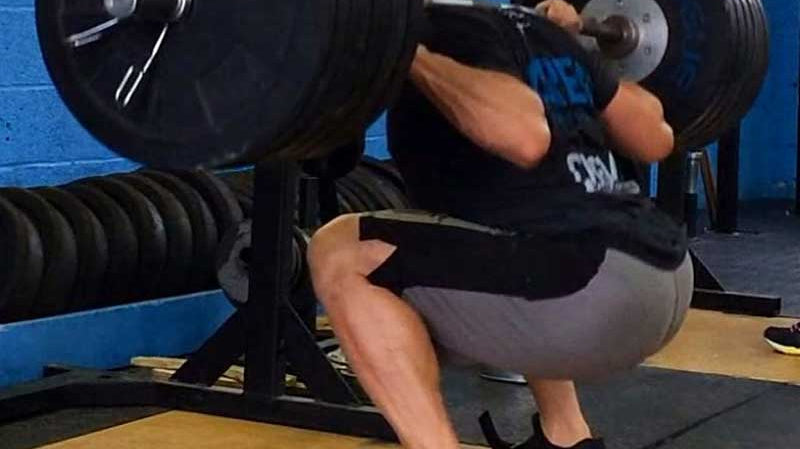
Top 5 Weight Room Tests for Strength Coaches
It’s hard to narrow down the top weight room tests, but after plenty of requests here are my current favorites, including the origins and influences of them. Some of them are well known, some are exotic, and some require a little equipment outside the weights used, but all of them are scientifically valid and team friendly. It can be difficult to choose the tests for many reasons, but the most difficult decision was to choose tests that a wide audience would find useful. With an appreciation for data and technology, some of the tests will require a little help from measurement tools and coaches should think about what is important to them.

13 Things That Confuse Slow People
What is the correlation between speed and coaching? At the risk of painting with a broad brush, it seems our best coaches were slow athletes. Yes, slow may be a coaching prerequisite. Thirteen of the eighteen track events are athlete-developers. We need to make sprint, jump, and throw performances understandable to slow people. Just because a football coach never ran 100 meters in 10.55 should not keep them from attending meets.

Is Your Squat Making You Slower and Wrecking Your Vertical Jump?
When athletes go into the weight room, they have one goal, get bigger, faster stronger. No football player wants to be the guy who has a 10 and a 5 on each side of the bar in the squat rack. I think we all remember the pride of slamming 45’s together on the pins. Big boom. And athletes will do anything to move up the chart and get a 500lb club shirt. And this is where the problems begin.

Why Do We Get Injured?
Can we predict an injury? Can we reduce the rick of injury? There is some evidence that we can.
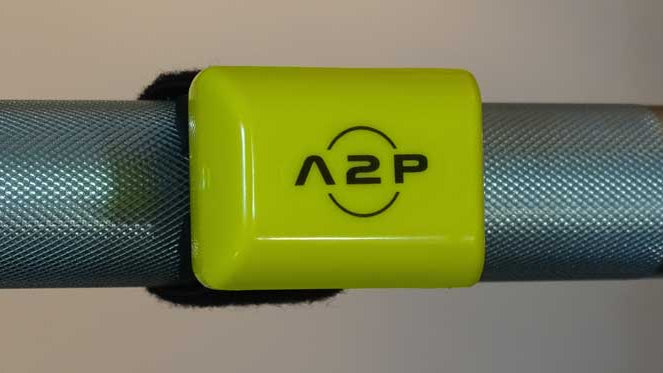
Top 10 Power Measurement Tools in Strength and Conditioning
Recently the biggest buzz in the weight room is what system one is using to measure training, specifically the barbell speed and metrics that are coming from those calculations. Coaches fueled on the notion that data is the new oil, are flocking to companies looking for the best hardware and available software. This article compares the top ten systems available for measuring power in the weight room.

10 Reasons to Join the Track Team
Track coaches everywhere face significant obstacles. By sharing my challenges, I hope to help other coaches overcome theirs. The only way my track program can excel is through promotion and recruitment. We must work harder than the ball-sports.

How To Improve Ankle Rocker Range of Motion
Hip extension is the name of the game in athletic development. It is the thrust that drives your athlete forward or up, or both. The stronger or more powerful your thrust, the faster and farther you will go. At the end of the chain is the ankle.

How To Plan Your Speed Workout Using Electronic Timing
Coaches have limited control of high school athletes which limits the effectiveness of periodization. Autoregulation is a simple and effective alternative for planning speed workouts.

Social Media Tips For Athletes
Social media is becoming an increasingly large component of the role of a high-level athlete. Managing your social media profile well is a win-win situation for athletes as it increases the number of followers and fans you have, which in turn makes you more attractive to sponsors or event organizers. A poorly managed social media image, on the other hand, can repel fans and sponsors away from you and cause you a lot of trouble.
