

Articles
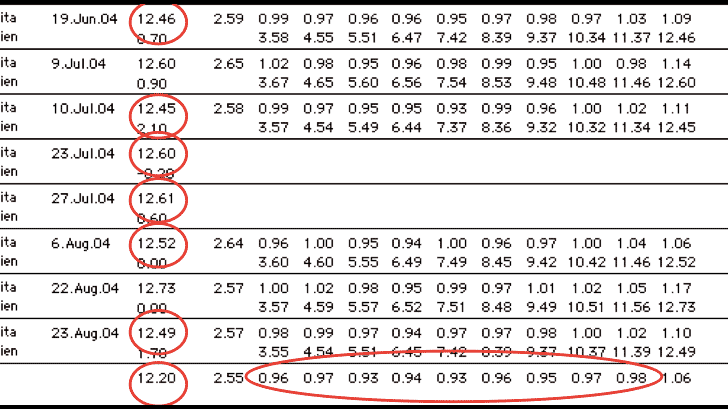
Hurdles - Finding Your Rhythm: An Interview with Gary Winckler
Track & Field was more than just a sport to former Illinois and Florida State women’s track & field head coach Gary Winckler; it was an opportunity to help young...
The History of Plyometrics
Plyometric exercises were developed by scientists in Russia and Germany. Plyometrics were initially applied to only track and field athletes. Plyometrics were so successful that eastern countries soon dominated Olympic track and field events. The rest of the world took notice, especially an American track and field coach named Fred Wilt. Plyometrics grew into a worldwide phenomenon utilized by athletes across all types of sports.

8 Tips for Selecting Track Spikes
Finding the right pair of track spikes might seem like a daunting task to anyone getting into track and field for the first time, but after spending a bit of...
Speed Development in the Horizontal and Vertical Jumps
Looking at world record and Olympic medalists, a clear pattern exists with velocities and jumping performances. And the pattern clearly indicates that speed matters.

Steve Magness on Muscle Fiber Types, Muscle Tension and Tone, and Blood Testing
Steve Magness answers questions about muscle fiber types, muscle tension and tone, blood testing and monitoring.

10 Reasons Coaches are Integrating Electronic Timing into Speed Training
Electronic timing at practice will one day be as common as spikes. Here are ten reasons why.

Four Essentials for a Perspective on Speed from Childhood to Life’s Last Race
A frequently asked question is how fast athletes in sports apart from track and field, where the precision of timing is well established, really are. Other vitals, such as height and weight, are readily accepted, but benchmarks on speed in field sports are viewed with skepticism given the problems with timing accuracy and achieving common-ground testing.

Interview with Syracuse Coach Dave Hegland
The transition from 8 to 7 steps is not as easy as doing some starts in the fall and hoping things work out. Could you share what general development aspects coaches in high school can think about so they are not impairing long-term development with 8 steps but not pushing 7 steps early. The transition and decision is very unique and copying elite athletes can be a disaster. What are your thoughts here?
Rhythm: The Key to Relaxation and Speed
For years we have heard the phrase relax and win, where relaxing is heralded as the secret to speed, to winning. Relaxation is essential. But what facilitates relaxation when sprinting at speed? The answer may be rhythm, a lesser-known quality that may be more important than we think for speed. In this article, we will explore what rhythm is and what we can do in training to improve it.
What is the Nike SPARQ Combine?
Each spring, high school underclassmen around the country take part in regional events called the Nike SPARQ Combine. Though many believe that SPARQ is just a Nike product line, it is actually its own entity that began in 2004 with the goal of developing a sort of SAT score for baseline athletic ability. SPARQ itself stands for Speed, Power, Agility, Reaction and Quickness. At each combine, an athlete is put through a battery of four tests. Their outcomes in each test are measured and then transformed in to an overall number, called their SPARQ score. In this manner, talent evaluators have a sort of SAT score for an athlete's raw talent, and a way to compare individuals.
The History of Track Spikes
Since the mid-1800's, runners have been using track spikes to get the most speed out of every stride. Originally made of leather with hand-forged spikes, this ubiquitous piece of track equipment has evolved right along with the sport itself. Many of the companies that began with the invention of the track spike are now large athletic conglomerates and their founders names are etched in running history. A lot has changed about track spikes, but at their core is still the idea that thin piece of steel can help a runner gain extra time.
Plyometric Boxes
Plyometirc boxes come in many shapes, sizes and types, but the principle is always the same – they help you force your body to jump higher and train it to stick the landing with balance. You can determine which boxes are right for you by evaluating the pros and cons of each option. These include cost, size, space availability and safety.
