

Articles

5 Jump Tests that Transfer To Speed
Jump testing is commonly used to observe leg power. The goal for jump testing is to see how the training is affecting the jumping ability and see how training may influence running velocity at different parts of the acceleration curve. Speed predicts speed, and using jump tests to have confidence in what one is going to see on the clock is not the right thinking. A better option is to look at jump tests and see if the general power and elastic training is augmenting the scores, and how the scores might provide benefit to the running splits.

The Ten Commandments of Warming-Up for Speed
The number one problem of sports is that coaches are afraid to do the basics over and again as it looks like they are not evolving. My solution is simple; instead of blaming everything and everyone for injuries or poor performance, follow a checklist of ten essential components to properly get ready for quality power work.
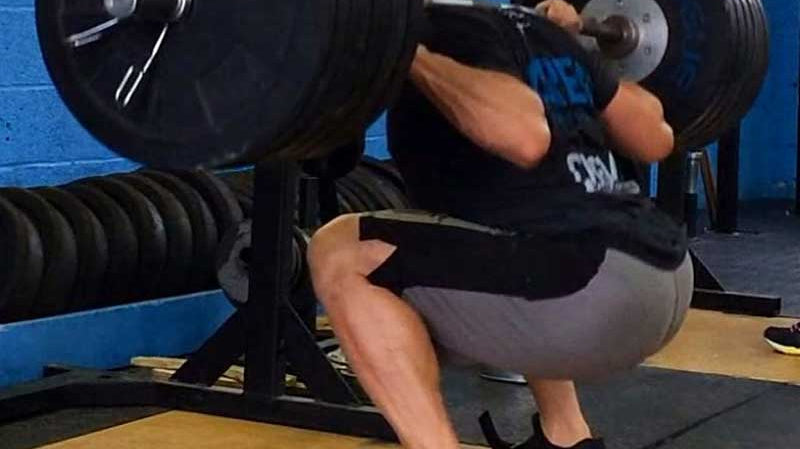
Top 5 Weight Room Tests for Strength Coaches
It’s hard to narrow down the top weight room tests, but after plenty of requests here are my current favorites, including the origins and influences of them. Some of them are well known, some are exotic, and some require a little equipment outside the weights used, but all of them are scientifically valid and team friendly. It can be difficult to choose the tests for many reasons, but the most difficult decision was to choose tests that a wide audience would find useful. With an appreciation for data and technology, some of the tests will require a little help from measurement tools and coaches should think about what is important to them.
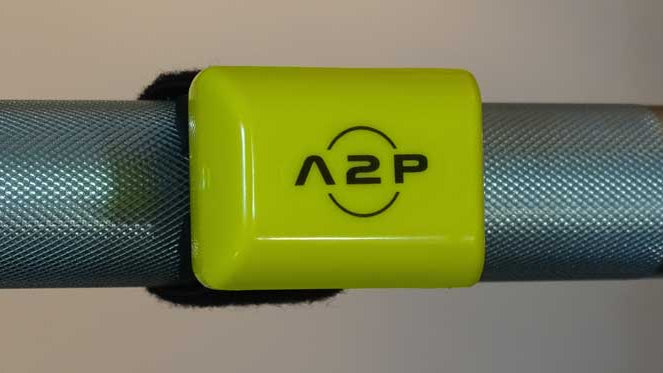
Top 10 Power Measurement Tools in Strength and Conditioning
Recently the biggest buzz in the weight room is what system one is using to measure training, specifically the barbell speed and metrics that are coming from those calculations. Coaches fueled on the notion that data is the new oil, are flocking to companies looking for the best hardware and available software. This article compares the top ten systems available for measuring power in the weight room.

Velocity Based Training
Most athletes care about momentum or their speed relative to size in their sport. Nearly every successful program wants to improve speed and repeated speed, so weight training is only a part of that formula. Since Velocity Based Training is a sub-component of weight training, it’s more important to evaluate the speed of the body versus the speed of the bar.

What is Electronic Timing Really?
A review of hand time, electronic timing, fully automatic time, laser timers, and new technologies.
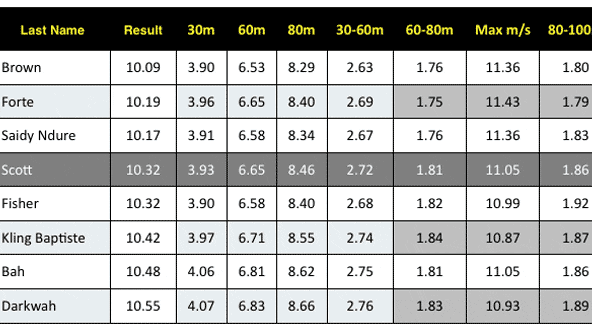
Using Splits and Velocities in the Planning for a 100m Sprinter
In an earlier article, an extensive review was shared to explain the value of 10 meter segments, or splits, to analyze competitive performances. In this article, we will build on those results and explain how an independent 100m performer plans his season.

Gurus, Gadgets, and Gimmicks: 6 Dirty Online Tricks to Watch Out For
Information, be it online, print, or verbal, must be taken with a grain of salt. As more and more education becomes available, you must develop a filter that allows you to know which is the truth and what is merely hype in order to combat misinformation.
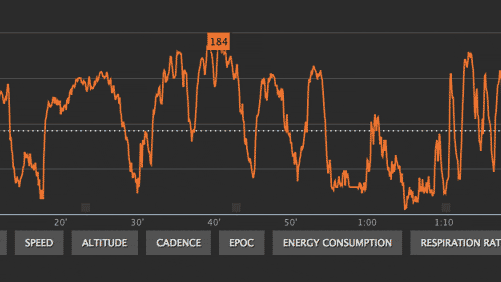
5 Mistakes Sprinters Make in Tempo Runs
Tempo runs are a staple in many programs for athletes. Unfortunately, most of them are poorly applied and not rooted in drug-free science, and they create overtraining syndromes. In this article, I will cover several training theories, dig into the sports science, and attempt to apply a pragmatic overview of what can potentially help athletes.

Performance Analysis - Velocities and Splits
In this article, we will look at the 100-meter dash splits and velocities as a model to understand how analysis drives training. The key race splits are available after the event, and it is one of the best ways to get an indication of how career development is going. It is essential for coaches wanting to know what happens and how an athlete’s talent develops over time. In this article, the concepts of race analysis and training interventions will be shown in a simple review, allowing coaches and athletes to comprehend how speed must be evaluated properly first, before one can draw conclusions and training changes.

Hacking Your Nervous System With Potentiation Methods
For decades, the use of complex and contrasting sports training methods has confused and captivated coaches. Research both supports and refutes the effectiveness of potentiation exercises. Last year, complex and contrasting methods increased in popularity again. Several articles currently in print and online review the use of potentiation techniques. However, the reality is that most fail to ask the most obvious questions that most coaches have. This article provides a full review of what coaches need to consider about potentiation methods, along with some practical thoughts on applying less-understood techniques from the scientific literature. The goals are to understand how the nervous system responds to potentiation options and to see what the long-term training strategy is in general.
Sports Performance - 9 Questions and Answers
Valle responds to a wide range of sports performance questions including facial coding, athlete management systems, force plates, blood analysis, weight vests, sprint adaptations, active recovery, regeneration, wearable devices and smart fabrics, and shoes and cleats.
